

One small molecule.
Rethinking sodium in oncology.
At Celex Oncology, we are redefining the cancer care of tomorrow, transforming cancer from a life-threatening disease into a manageable, chronic condition.
Our innovative treatment targets sodium overload in tumour cells,
One of the fundamental regulators of malignant cell behaviour. By rebalancing sodium levels in cancer cells, Celex Oncology's drugs are designed to reduce malignant progression, making cancer more manageable. The approach is supported by a well-tolerated side-effect profile currently under clinical investigation.
ABOUT US
ABOUT US 01 / 06 -
Driven by science,
Guided by patients.
Celex Oncology was founded at Imperial College London, drawing on decades of pioneering research into the electrical properties of cancer cells. This work led to the seminal discovery that voltage-gated sodium channels play a central role in transforming benign tumours into aggressive, metastatic disease. This is a critical finding, given that metastasis accounts for more than 90% of cancer-related deaths.
Celex Oncology is driven by an expert leadership team dedicated to redefining cancer care. Our team brings together exceptional expertise spanning healthcare, commercial strategy, finance, and law. It is a highly experienced team with a proven track record from discovery science through to late-stage clinical development, licensing and commercialisation.
Celex Oncology is guided by an accomplished board and a scientific advisory group comprising leading experts in oncology and biopharmaceutical development.
Our Mission
Our mission is to transform cancer from a life-threatening illness into a manageable, long-term condition. Through our first-in-class therapeutic approach, we harness the power of bioelectricity to target the malignancy of cancer.
-
support longer survival and improve quality of life for patients worldwide, as demonstrated in our investigational programmes.
We are committed to developing well-tolerated treatments that integrate seamlessly into existing regimens, reducing the burden of debilitating side effects for patients. By addressing the persistent threat of relapse and recurrence, a source of profound anxiety for those undergoing cancer therapy, we aim to empower clinicians and offer renewed hope to patients and their families.
The Challenge
The challenge of cancer lies not only in its increasing prevalence but in its ability to evolve, adapt and resist treatment. Despite remarkable progress in oncology, many patients still face the consequences of aggressive disease, representing a significant unmet medical need, as well as the ongoing psychological burden of potential relapse.
At Celex Oncology, our goal is not simply to extend life but to improve the quality of those lives. We are striving for longer, healthier and more fulfilling outcomes for patients, free from the debilitating effects of cancer progression.
Our Approach
Our approach targets sodium overload in tumour cells, a fundamental regulator of malignant cell behaviour. By rebalancing sodium levels in cancer cells, we aim to reduce malignant progression and make cancer more manageable, while supporting quality of life through a well-tolerated investigational treatment profile.

LEADERSHIP

-
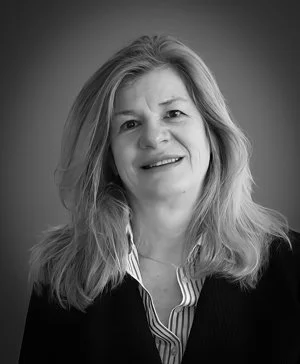
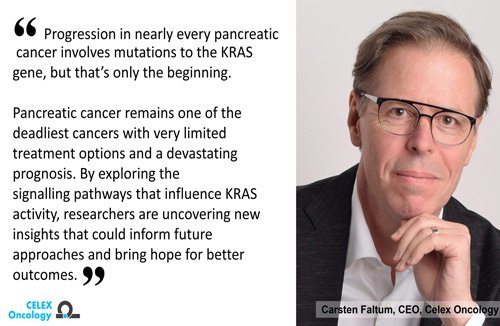
Carsten brings extensive experience in R&D and business development from the biotech and medical device industries. Before joining Celex Oncology, he served as Chief Technical Officer of Medela AG, and held leadership positions at Biolin Scientific AB, Coloplast A/S and CAT Science, amongst others.
Carsten Faltum
-
Katia is a physician specialising in immuno-oncology with 20 years of experience in the development of anti-cancer drugs and biologics, including at Merck & Co., Inc., spanning discovery through to approval. She has extensive direct experience in clinical research and regulatory strategy.
Katia Schlienger, MD, PhD

-
Laurence is a solicitor with more than 40 years of experience in intellectual property. Former global co-chair of Latham & Watkins LLP's Intellectual Property Group, he has litigated many of the UK's leading patent cases and has been closely involved in licensing agreements, due diligence and M&A support for pharmaceutical companies.
Laurence Cohen
-
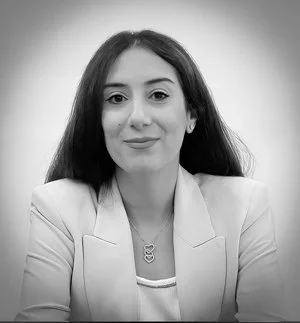
Sara brings over a decade of experience in oncology research and translational drug development. At Celex Oncology, she leads the company's scientific and translational strategy, advancing programmes towards IND-enabling development. Previously, as VP of R&D at Alkamis Venture Builder, she directed scientific due diligence and development strategy for early-stage biotech companies.
Sara Moodad, PhD

-
Reinhard has more than 25 years of professional experience in life sciences and banking. Before joining Celex Oncology, he served as CFO of Hookipa Pharma Inc. (Nasdaq: HOOK), Valneva SE (Euronext: VLA), and Intercell AG (VSE: ICLL), and has held senior roles at Deutsche Bank.
Reinhard Kandera

-
Bhavani is Head of Oncology, New Product Planning and Franchise Strategy at Sanofi and has over 17 years of global marketing strategy experience across pharmaceuticals, biotechnology, generics, digital health, and consumer products. She has held senior positions in oncology and marketing strategy at Bristol Myers Squibb and Amgen, amongst others.
Bhavani Harimohan, MBA
TECHNOLOGY 02 / 06 -
THE SCIENCE
Cellular excitability as an oncological target
01
Scientific Foundations
At the heart of Celex Oncology's scientific platform is the "Cellular Excitability" hypothesis: voltage-gated sodium channels (VGSCs), become highly expressed in aggressive cancer cells, driving metastatic behaviour.
02
Mechanism of Action
The Vicious Circle - Tumours express growth factors that stimulate VGSC expression. As tumour growth leads to poor blood flow and consequent hypoxia, VGSC expression is further driven and dysregulated, creating a cycle of accelerating tumour progression.
Celex Oncology's approach to cancer therapy is grounded in a rigorous understanding of disease biology and the mechanisms that drive metastatic spread. The programme builds on pioneering research at Imperial College London, which demonstrated that electrical changes in cancer cells are instrumental in their transformation from benign to metastatic.
-
Under hypoxic conditions, these ion channels permit a continuous influx of sodium ions into the cell. Through a cascade of downstream events triggered to rebalance this sodium overload, cancer cells acquire metastatic properties.
Celex Oncology's approach targets VGSCs to reverse cancer cell aggression and block the processes that lead to advanced oncological disease.
03
Scientific Rationale
The malignancy of tumours is strongly linked to the aberrant overexpression of ion channels in aggressive cancers. VGSCs become dysregulated under hypoxic conditions, triggering overexpression and aberrant late current that leads to sodium overload.
-
To date, aberrant VGSC expression has been reported in over 25 different cancer types and is statistically associated with worse prognosis, decreased survival and a higher risk of relapse and recurrence.
By targeting the late current of VGSCs, which are overexpressed and aberrant in aggressive tumour cells, Celex aims to prevent the progression from localised to invasive cancer.

OUR TREATMENT
A differentiated approach
Our proprietary treatment relies on a straightforward but powerful principle: rebalancing sodium. By reducing the sodium overload in cancer cells, the mechanisms driving invasiveness and aggressiveness are reversed.
Administered as a twice-daily oral pill, our investigational treatment is designed to modulate bioelectricity to reverse cancer cell aggressiveness and inhibit further progression towards advanced disease. This mechanism of action holds broad potential across multiple cancer indications, with encouraging early results from both preclinical and real-world evidence (RWE) studies.
Our approach focuses on halting disease progression while supporting a well-tolerated treatment profile, with the aim of offering a compatible therapeutic option alongside existing cancer therapies. Our treatment is designed to fit into modern combination treatment regimens.
As a first-in-class investigational oncology treatment, it is being developed for use both as a standalone therapy and integrated alongside existing standards of care. Celex Oncology's combination of scientific innovation and focus on patient outcomes positions us to contribute to the next generation of cancer care.
SCIENTIFIC PUBLICATIONS
2023 - Review article - View PDF
Sanchez et al. - Voltage-gated sodium channels: from roles and mechanisms in the metastatic cell behaviour to clinical potential as therapeutic targets
2024 - Review article - View PDF
Leslie et al - A novel Nav1.5-dependent feedback mechanism driving glycolytic acidification in breast cancer metastasis
2024 - Review article - View PDF
Djamgoz - Electrical excitability of cancer cells—CELEX model updated.
DEVELOPMENT PIPELINE 03 / 06 -
DEVELOPMENT PIPELINE
Three programmes, One mechanism
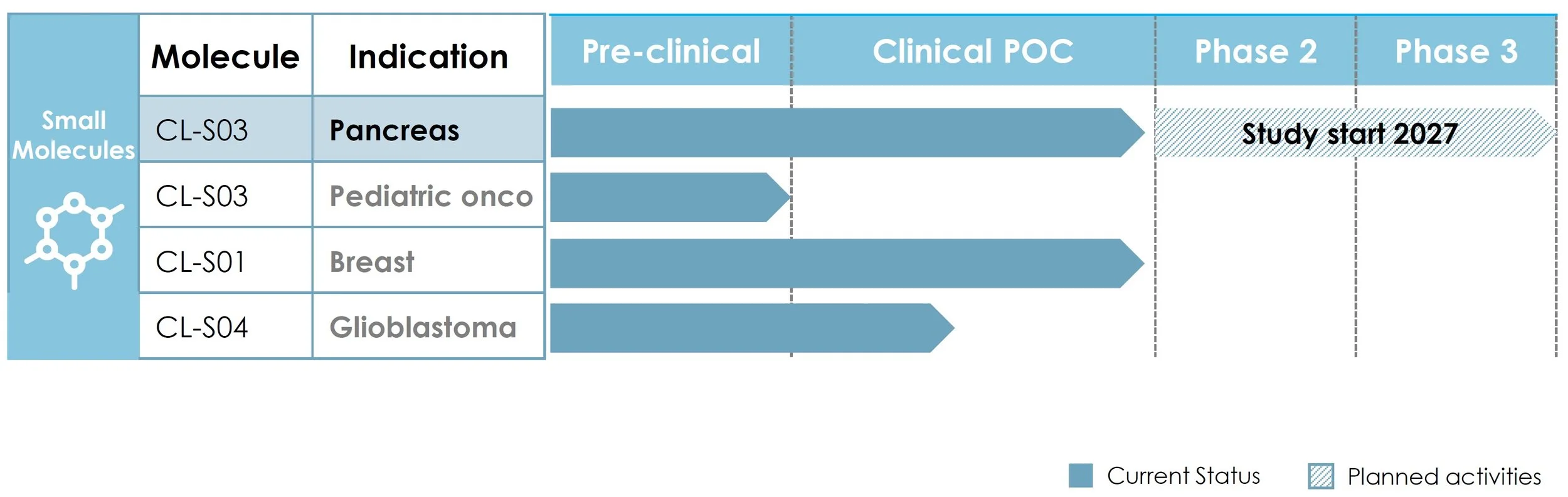
Celex Oncology is addressing the critical unmet need of countering aggressive cancer progression. Our oral drug candidates modulate sodium levels, which also indirectly control calcium pathways, to reverse cancer cell aggression and slow disease progression. With a tumour-agnostic approach, strong preclinical data, and preparations for clinical trials under way, our pipeline initially focuses on three indications with significant unmet medical need and substantial commercial potential.
LEAD PROGRAMME
Pancreatic Cancer — CL-S03
Our drug candidate CL-S03 is being developed for the treatment of metastatic pancreatic cancer as a twice-daily oral administration . An Investigational New Drug (IND) application is being prepared to initiate Phase 2 prospective clinical studies in 2027.
Pancreatic cancer represents a critical unmet need in oncology owing to its aggressive biology, high therapeutic resistance and propensity for early systemic spread. Despite advances in surgical techniques and combination chemotherapy, most patients experience relapse driven by residual microscopic disease, extensive stromal remodelling and the emergence of treatment-resistant tumour subclones. Innovative treatments and new classes of therapeutics that can overcome resistance and slow disease progression are urgently needed.
In an observational real-world dataset, patients receiving late sodium-current inhibiting drugs exhibited a 63% reduction in progression or death at day 200 (p<0.002) and a 36% reduction after five years, compared to a propensity score-matched control group. These findings are investigational and subject to prospective clinical validation.
Based on these findings, a randomised controlled prospective clinical study is being prepared in collaboration with leading US clinical institutions.
Reference: Sanchez-Sandoval L, Hernández-Plata E, Gomora JC. Voltage-gated sodium channels: from roles and mechanisms in the metastatic cell behavior to clinical potential as therapeutic targets.Frontiers in Pharmacology. 2023;14.

CLINICAL INVESTIGATION
Real lives
Real outcomes
SECOND PROGRAMME
Breast Cancer — CL-S01
Our drug candidate CL-S01 is a second-generation, selective late sodium-current NaV1.5 inhibitor under preclinical development for the treatment of recurrent and metastatic breast cancer. CL-S01 has been optimised for enhanced potency and selectivity in tumours that predominantly express NaV1.5, a feature observed in several aggressive cancer types, including breast and colorectal cancers.
Metastatic progression remains the principal cause of mortality in breast cancer. Despite advances in systemic therapies, many patients experience recurrence and disease spread driven by tumour cell migration, invasion, and the emergence of treatment-resistant disease.
Preclinical in vitro studies demonstrate that CL-S01 significantly inhibits the invasion and migration of triple-negative breast cancer cell lines, as well as colorectal and leukaemia cell lines. Given its minimal cytotoxic effect, CL-S01 exerts no selective pressure on tumours, thereby supporting longer-term treatment and avoiding the emergence of treatment resistance.
Real-world observational analyses of patients receiving late sodium-current inhibiting drugs demonstrate a statistically significant 46% reduction in disease progression and a 34% improvement in survival over 5 years in breast cancer compared with control populations. Similar observations were noted in colorectal cancer. These findings are investigational and subject to prospective clinical validation.
CL-S01 benefits from existing safety data derived from prior clinical use in non-oncology indications, supporting a potentially favourable safety profile for combination with current standards of care. Celex Oncology is advancing CL-S01 through preclinical development, with additional data expected in 2027. An IND application is planned for 2028.
Reference: Fairhurst et al., BMJ Open, 2023 (UK population study, n=165, 10-yr follow-up); Celex preliminary RWD analyses (US, Germany). Evidence from retrospective analyses of drugs sharing the VGSC mechanism; prospective trials of CL-S03 in preparation.

THIRD PROGRAMME
Glioblastoma — CL-S04
CL-S04 is a discovery-stage programme exploring selective inhibition of the late sodium current of NaV1.6 as a potential therapeutic approach in glioblastoma.
Glioblastoma is an aggressive and highly invasive brain tumour with poor prognosis and limited treatment options. Even with surgery, radiotherapy and chemotherapy, recurrence is common due to diffuse tumour cell invasion, treatment resistance, and the difficulty many therapies face in reaching the brain.
Preclinical studies have reported elevated expression of NaV1.6 in glioblastoma, suggesting that late sodium-current signalling may contribute to tumour cell invasiveness. The CL-S04 programme is investigating whether selective inhibition of this pathway could represent a novel strategy to address glioblastoma biology.
BEYOND THE CORE PIPELINE
Additional Pipeline Opportunities
Our approach of modulating bioelectricity to control sodium pathways has shown promising results in preclinical models and observational studies across a broad range of tumour types, offering opportunities for development in additional indications.
Furthermore, Celex has raised high-quality, tumour-specific monoclonal antibodies (mAbs) through the mapping of increased expression of a neonatal variant of voltage-gated sodium channels (nVGSC), which are highly expressed in cancers such as breast and colon. This work supports the development of a liquid biopsy approach for the detection of aggressive tumours by identifying auto-antibodies in the blood, offering both diagnostic and prognostic value for patients.
Indicative studies have also suggested that our treatment may reduce the likelihood of cardiac burden induced by chemotherapy, representing a further area of therapeutic interest.
INTELLECTUAL PROPERTY 04 / 06 -
INTELLECTUAL PROPERTY
A broad and defensible patent portfolio
Celex Oncology's commercial potential is underpinned by a robust and strategically constructed intellectual property portfolio. The company holds 10 patent families, of which five have been granted, providing multi-layered protection across its therapeutic programmes, drug candidates, and diagnostic assets. Patent protection extends to at least 2046, offering long-term exclusivity and a strong competitive moat.
The IP strategy has been developed under the direction of Laurence Cohen, co-founder and General Counsel, who brings more than 40 years of pharmaceutical patent litigation experience and formerly served as Global Co-Chair of Intellectual Property at Latham & Watkins LLP.
PORTFOLIO COVERAGE
Comprehensive protection at every level
The patent portfolio is designed to protect Celex Oncology's assets at multiple levels, from the fundamental science through to specific drug formulations and clinical applications. Coverage spans the following areas:
ACTIVE PHARMACEUTICAL INGREDIENTS
Patent protection secured for the core compounds underlying Celex's lead drug candidates, including CL-S01, CL-S03, and CL-S04.
USE PATENTS
Broad use patents protecting the therapeutic application of late
sodium-current inhibition in oncology, including aggression reversal, cardiac protection from chemotherapy-induced cardiotoxicity, and treatment of
brain metastases.
FOUNDATIONAL PATENT
A foundational patent linking voltage-gated sodium channel activity to cancer progression, providing overarching protection for the core scientific platform.
DOSAGE & FORMULATION
Patents covering the specific dosage forms and drug combinations that enable Celex Oncology's twice-daily oral treatment regimen.
ANTIBODIES & DIAGNOSTICS
Patent protection covering both the antibody sequences and their diagnostic applications, supporting the development of a liquid biopsy approach.
GLOBAL REACH
Patent filings provide broad geographic coverage across major pharmaceutical markets, including the United States, European Union, United Kingdom, China, Japan and other key territories.




CONTACT US 06/ 06 -
PARTNERING OPPORTUNITY
Partnering with
Celex Oncology.
Celex Oncology has a strong development pipeline with multiple product candidates, each supported by robust patent protection. Leveraging the potential of our technology through scientific collaborations and business partnerships is part of our strategy.
To learn more, please contact our Business Development team.
INVESTORS & MEDIA
Investor relations
and media enquiries
For investor relations, media enquiries or partnership discussions, please contact the Celex Oncology team directly.